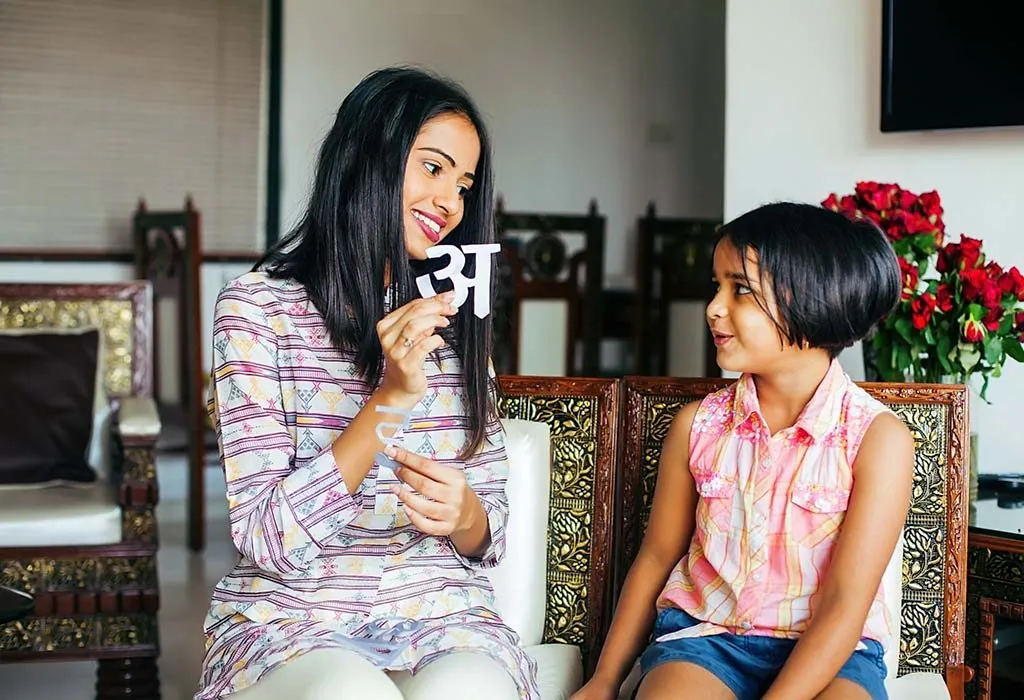
In a country with thousands of languages and dialects, the medium of instruction shapes how well children actually learn. A large share of learners worldwide are taught in a language they don't fully grasp — and the cost shows up in comprehension, engagement and confidence. The research points clearly in one direction.
The language barrier in classrooms
Many children are taught in a language that isn't their own, which creates real learning deficits. Studies have found that children instructed in their mother tongue score meaningfully higher in reading and maths than peers taught in an unfamiliar language.
India's National Education Policy 2020 recognises this, advocating mother-tongue-based education in the early years for foundational literacy and numeracy.
What mother-tongue learning unlocks
Teaching in a familiar language pays off well beyond test scores:
- Stronger academic performance — higher reading and maths scores, better attendance, deeper engagement.
- Emotional and cognitive growth — children express themselves more freely, participate more, and drop out less.
- A foundation for more languages — a solid first language makes acquiring additional ones easier later, while preserving cultural identity.
The challenge ahead
Resources and teacher training still lag, and many parents undervalue vernacular education because they equate English with success. Shifting that perception matters.
A child's first language isn't a barrier to overcome — it's a bridge. Build literacy on it first, and everything else, including English, comes more easily.
Our conviction that people learn fastest in a language and format that fits them runs through everything we teach — practical, plainly explained, and built for real understanding. Explore the programmes to see that philosophy in action.
Adapted and re-angled for the Institute of Applied AI from LearnPact's career blog. Authored under the LearnPact Faculty byline.